
Poetic faith
In the spirit of being vast and containing multitudes, I'm starting to develop a really defensive reflex around snobbery regarding people's artistic tastes. It's wildly hypocritical of me, because I'm still driven mad on the regs by people thinking something is good when I think it is bad.
I will not apologise for any of this.
Inevitably, when I eventually get around to watching the latest yet another Spider-Man film, I will look at the various people who insisted the MCU was good again, actually, and flail about impotently crying why is everyone stupid except me and I will not consider that to be inconsistent with the thesis of this particular newsletter.
There are, broadly speaking, two ways to love something. Whether that thing is horror movies or musicals or cats or the colour green. You either love them selectively, or universally.
You're either a Cat Person™ and are, by default, devoted to every cat who has ever or will ever lived, or you're a fan of some specific cats because they're just particularly cool guys.
When it comes to fiction, whether film or theatre or literature or whatever, there are people who love a particular genre whatever it throws at them. People who'll watch any horror film that comes up and have a great time because they're just broadly there for it. And people who'll watch any horror film that comes up because they're always looking for great horror and they're willing to put time into a whole lot of bad horror to find it.
I am not a universal fan of anything. I hate more musicals than I love and I love musical theatre. I love it because when it's good it's fucking transcendent and it makes me so sad when something that can be genuinely, overwhelmingly wonderful is only mediocre.
This only occasionally upsets me. I think it's good to be discerning. But it's also a bummer being the only person on a girls' night out to Mamma Mia who isn't having a good time, for example. I can't even fake it! Despite being, honestly, a very good actor, I'm extremely bad at hiding my feelings in real life, so I ruin everyone's nice time without trying!
You can call this dichotomy differences of taste or expectation or attitude, but I think it comes down to what Samuel Taylor Coleridge called poetic faith or what is more commonly known as suspension of disbelief.
Some people are naturally inclined to be generous with their poetic faith. Others are more withholding. I'm coming to believe that, however much I find value in discernment, there is also a lot of value in generosity.
We make a lot of jokes around here about making up a guy to get mad at and people are very good at doing that. But we're also very good at making up a guy to care deeply about and that's a wonderful thing.
This manifests in all sorts of ways. We imbue a particular tree with a personality because of the weird bend in its trunk. We get very invested in Fat Bear Week. And we open a book or walk into a cinema preparing to have our hearts ripped out by people who never existed experiencing things that never happened.
How willing or able we are to do this varies from person to person. and it's this balance that ultimately determines whether we have a great time or a lame time with any particular work of fiction.
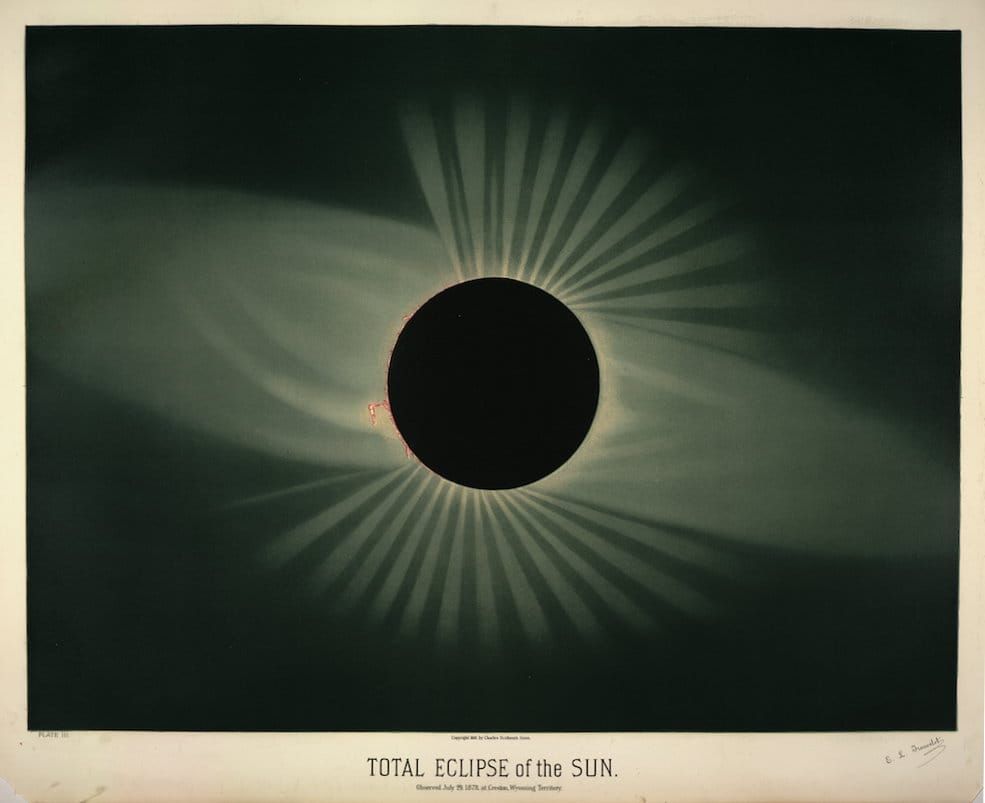
This is true even when it comes to reality. As I write this the UK is gearing up for a solar eclipse and in amidst the talk of how to safely view it there are people insisting that it will be underwhelming. And it's true that often phenomena like this are subtler in real life than they appear in photos or in movies.
I've seen both the aurora borealis and the aurora australis. They suffer from the fact that to properly photograph them you need to take a really long exposure. You end up with one image that's comprised of around fifteen seconds of activity, all layering on top of each other.
So if what you're looking for is the vibrancy of a photo, you might be disappointed. You have to be willing to take it for what it is, to let yourself sink into the movement of the lights and let your mind relax enough to place you, as a small, petty, short lived individual, in the context of this vast, ancient dance.
Maybe you find that easy to do. Maybe you find it hard. Maybe you don't think it's worth doing at all.
It's this balance that ultimately determines whether we have a great time or a lame time with any particular celestial phenomenon, and any work of fiction.
Striking this balance is key and it's different for everyone and, to complicate things further, it's impacted by things outside of the work itself.
When you're going to the theatre, if you love the theatre, you might start to feel the first thrill of excitement when you're getting ready to leave. You might dress up a bit, you might take a bit more time over your hair. That sense of something special might already be growing as you make your way to the theatre.
The way that particular theatre is designed is going to either contribute to, or detract from your excitement. The acoustics in the lobby, the plushness of the carpet, the pristine uniforms of the ushers – all of this contributes to keeping your excitement building. The slow dimming of the lights and the raising of the curtain is the last move in getting you emotionally keyed up and ready to throw yourself into the world of the play.
Of course, if you're not a theatre person you might find all these things alienating instead. You might feel out of place and self conscious and that might make it harder for you to focus on the play.
The question is do you owe a book or a film or a play your poetic faith, or does that work need to earn it? And the answer, of course, is yes.
When I see things going around my little corner of the internet about AI bros claiming they can't read books without ChatGPT summarising the chapters for them or, worse, claiming that reading ChatGPT summaries of books counts as reading the books I can't help but feel like it's time to think properly about why we read at all.
We do it to connect with something, we do it to feel things, we do it with engage with the world outside of ourselves. To do that properly we have to be willing to be taken. When we withhold our poetic faith, or have it taken for granted by shitty art I think that is tragic.
We should want a lot from art and entertainment but we need to be willing to give to it too. It's a conversation. It's not one sided. And that's worth remembering.