Horror vs. Romance and the lessons Hollywood takes from success

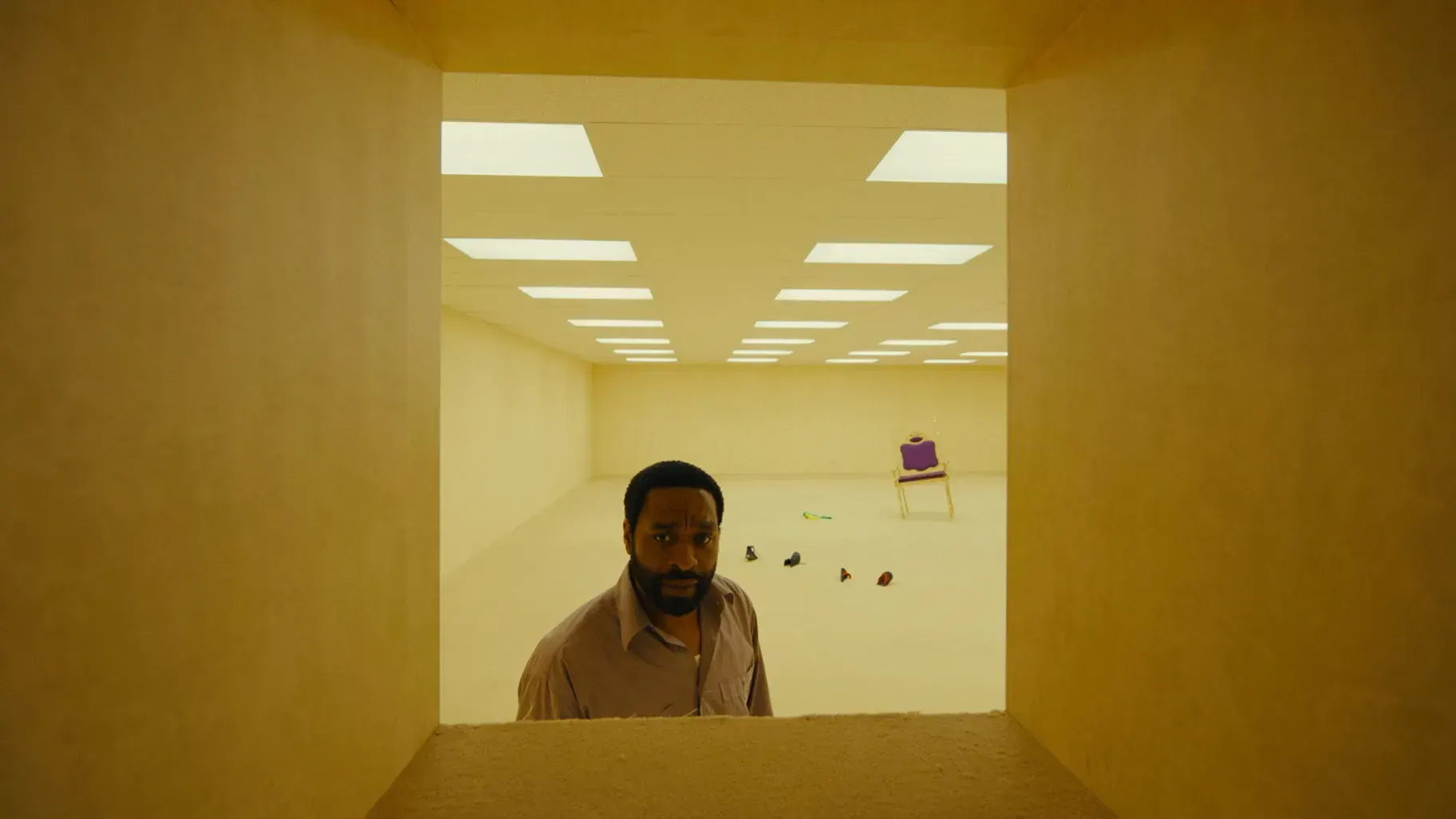
Chiwetel Ejiofor, a black man with a beard wearing a button up shirt, stands in a vast yellow room with fluorescent lighting looking into a square hole in the wall
Chiwetel Ejiofor in Backrooms (2026)

There are two film genres that are having two very different booms currently.

Both of them have vast, voracious audiences. Both of them are flush with tropes and with subversions of those tropes. Both of them have had the kind of success that has led to studios and executives falling over themselves to produce more. But one of them is getting wide cinema release distribution deals and the other is getting fast turnaround releases on the streamers.

A quick look at the top films of the decade so far on Letterboxd gives us Sinners, The Substance, Weapons, Nosferatu, Frankenstein, The Menu, Obsession, Pearl, Nope, Longlegs, Backrooms, X, Companion, Barbarian.

Romance, in the top films, is a more complicated prospect. If you want something straightforward there's Anyone But You – which incidentally grossed more than $200 million at the box office on a budget of $25 million – but that's it. Everything else is twists and subversions, or romance taking second place to something else. Wuthering Heights, Anora, The Drama, Past Lives, Hamnet, Materialists.

There is also horror romance Bones and All.

I find the contrast interesting.

Both romance and horror have suffered in the past from what I tend to think of as corporate disrespect. A whole lot of studio heads treating them as something that can be made cheaply and easily, something that will be profitable because the audiences will accept anything they can get, something you can thoughtlessly crank out because no one cares if they're good anyway. Films made cynically on low budgets, with short production timelines to pander to the masses.

That doesn't mean that there haven't sometimes been examples of great work in both areas, but for a while that felt like the exception in both areas.

But in recent years horror has been permitted a rebrand.

In 2014 we got some really creative indie horror. The Babadook. It Follows. A Girl Walks Home Alone at Night. The year after there's The Witch, Green Room. Before long it's Get Out, Hereditary, Raw.

There's a joke about this in Scream, where Jenna Ortega's Tara doesn't know anything about the 80s slashers that inspired the original. She likes elevated horror.

Horror got to be elevated.

And for once, I think that happened because Hollywood was kind of learning the right lessons from success. This almost never happens.

The success of the original Scream led to more slashers – I Know What You Did Last Summer, Urban Legend. New instalments of Halloween and Child's Play. The success of The Blair Witch Project caused a boom in found footage.

This is part of a phenomenon we like to call everyone wants to be second to a trend. No one wants to be first, because the way to be first is to take a big swing that you're not sure will pay off. And no one wants to be third or fourth of twelfth because then the trend is played out and no one wants it anymore.

The thing is it's almost impossible to be second to a trend. Because movies take a long time to make and everyone else is chasing the same thing you are, so chances are you will be fourth or worse.

But over the last ten years or so some parts of the movie machine had acknowledged that the lesson to learn from any success is that someone with a creative idea was given the chance to cook. And that's what they've been doing.

I think partly this is the confluence of low-fi filmmaking being quite inherently atmospheric. Low quality cameras work well for horror because they make it easy to keep things hidden, and things being hidden is what makes them scary. Revealing the ghost or what have you is often the point where a horror movie fails, because it's so hard to make an actual, visible ghost scarier than the unseen possibility of a ghost.

So with a shitty little digital video camera and a reddit thread on how to use Final Cut Pro you can make a decent horror short and put it on the internet, and loads of people did. And some of those people banded together and started making anthology films like V/H/S and The ABCs of Death.

This all created a really solid pipeline for horror filmmakers into real success. There are producers looking for good short films to adapt into features. There are distributers looking for homemade features to promote. It's even baked into how streaming works for horror – Shudder loves to put its films out in the cinema, while Netflix is actively refusing to do the same.

I find all this fascinating. It's not like the cheap and tacky horror films aren't still being made, they will always still be made. But there has developed infrastructure for mainstream horror releases and, with it, a new respect for the genre. And in this the process has held: find creative indie filmmakers and let them cook.

What's happening in romance currently is a bit different. There's a massive apetite for adapting books that have gone viral on tiktok; the most successful of which is probably Heated Rivalry. The thing about Heated Rivalry is that it's really well made. It's beautifully shot, it's really well acted; it really feels like a team of skilled professionals worked really hard to make it good.

I would love it if that were the lesson studios took from it. That, and that people are hungry for simple, happy queer love stories.

Instead there are a bunch more romances about hockey on the way.

I don't think we can necessarily replicate the indie horror pipeline in other genres. It is really well suited to the limitations of DYI filmmaking, and I don't begrudge it that. But, lord, I see what you have done for others, do you know what I mean?

I believe in a world where a romcom does what Backrooms and Obsession have just done. I wish I believed there were studios and distributors who believed in it too.